



What Is Culture Shock?
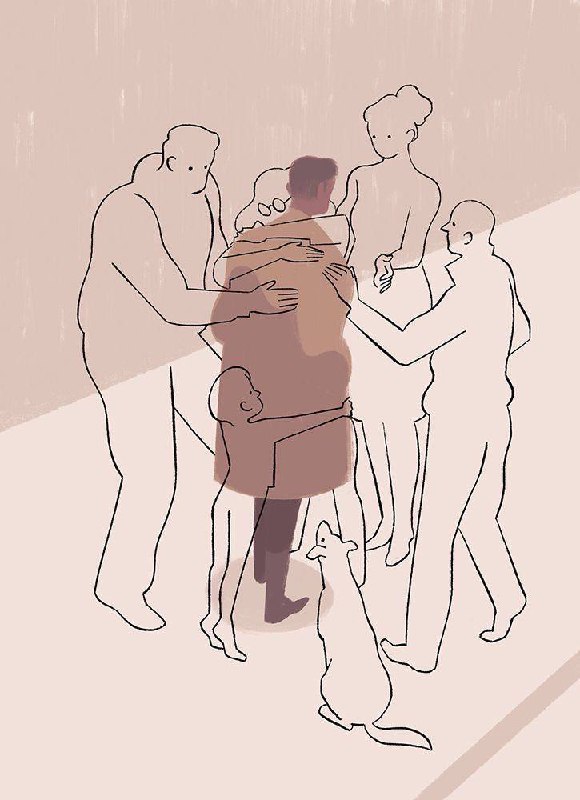
Culture shock describes the stress, confusion, and emotional discomfort people feel when they move to a new cultural environment. For international students, it often happens during the first weeks abroad, when daily habits, food, communication style, and social rules suddenly feel unfamiliar. According to psychological studies, between 45% and 60% of students who relocate for study report emotional tension and loneliness within the first three months. Culture shock is not a sign of weakness — it is a natural reaction to sudden change.
Why Does Culture Shock Happen?
Living abroad often means learning everything again “from zero.” Some of the common factors include:
- Language Barriers: difficulty speaking, fear of mistakes, feeling tired during long conversations.
- New Social Rules: how people greet each other, how close they stand, how fast they speak, when it is polite to say “no.”
- Loss of Familiar Comfort: missing friends, family, native food, or routines.
- Different Academic Expectations: writing essays differently, deadlines, group work, or presentations.
Students often expect life abroad to feel exciting all the time — but reality includes both happiness and stress.
Emotional Impact
Culture shock can influence emotional well-being. Students may feel:
- nervous when speaking to strangers
- tired from constant adaptation
- embarrassed when making mistakes
- lonely in the evening after a long day
However, psychologists say these reactions are temporary and can lead to emotional growth and independence when managed correctly.
Researchers describe cultural adaptation as a journey with phases:
| Stage | Description |
|---|---|
| Honeymoon | Everything feels new, fun, exciting |
| Shock | Confusion, stress, loneliness |
| Adjustment | Learning how life works in the new place |
| Adaptation | Feeling confident and comfortable |
How to Cope With Culture Shock (Practical Tips)
Below are helpful strategies that international students say really work:
1. Build Small Social Circles
Attend student clubs, international cafés, or join group chats. Even one person to talk to can reduce stress.
2. Learn the Basics of Local Culture
Search simple rules before arriving: punctuality, greetings, tipping, eye contact. Knowing what to expect reduces anxiety.
3. Create “Comfort Zones”
Music from home, calling family, cooking familiar food — these little steps support emotional balance.
4. Practice Non-Perfect Communication
Accept that mistakes will happen. Language improves when used — not avoided.
5. Give Yourself Time
Adaptation usually takes 3–12 months. It is normal to feel uncomfortable in the beginning.
Real Stories:
“The hardest part wasn’t language — it was silence in the evening. I joined a photography club and suddenly everything felt lighter.” — Lena, student living abroad for the first time.
“Buying groceries shocked me more than lectures — I couldn’t read labels. Now I know a few phrases and it’s easy.” — Amir, exchange student.
Culture shock abroad is a challenge, but also a gateway to growth. With time, support, and small steps, students can transform stress into confidence and independence.
More advices about life abroad you can red here




Leave a Reply