

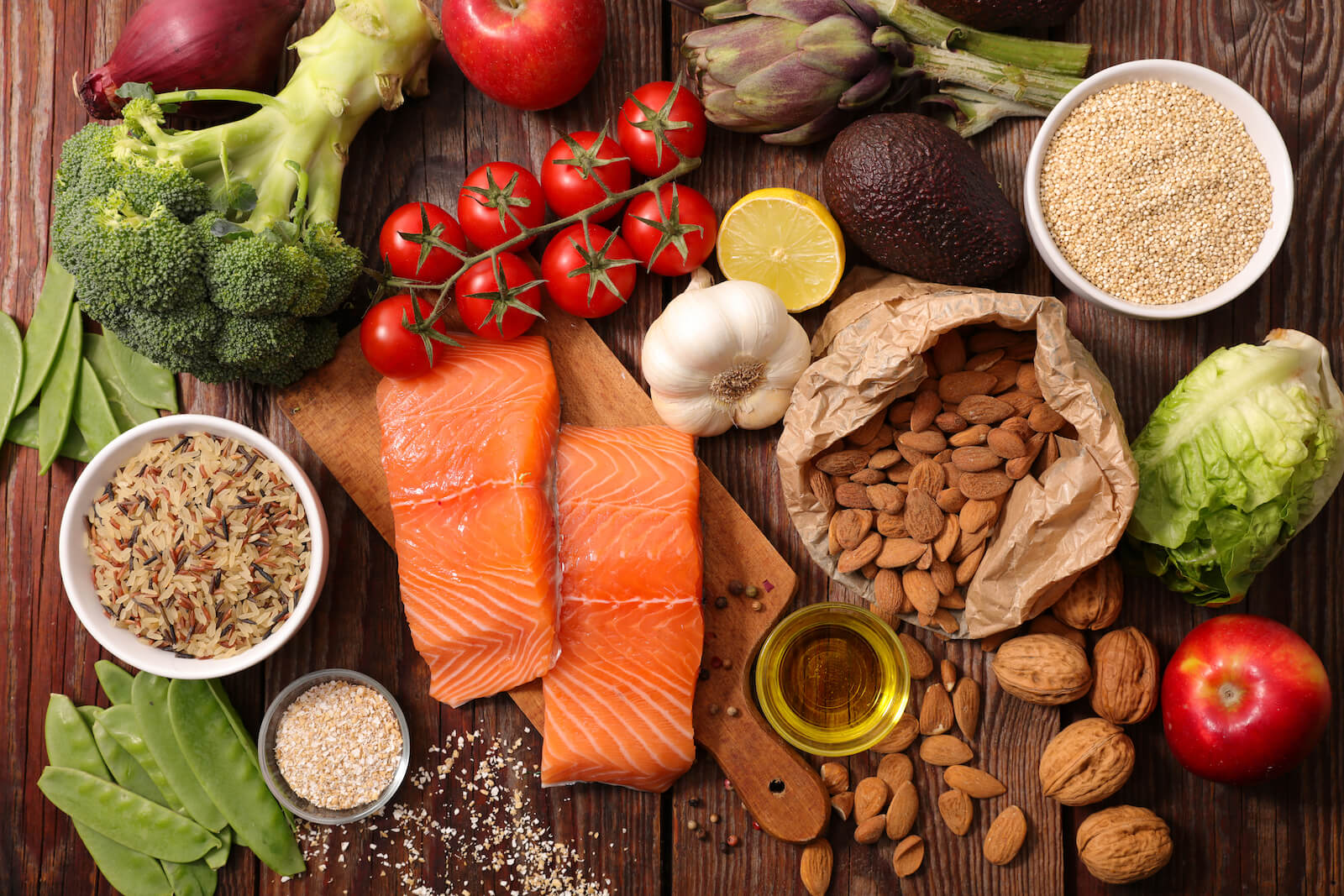
Hormones and Food explores the powerful relationship between what we eat and how our hormones function. This blog focuses on how different nutrients, eating habits, and food choices can influence hormonal balance, metabolism, energy levels, mood, and overall health.
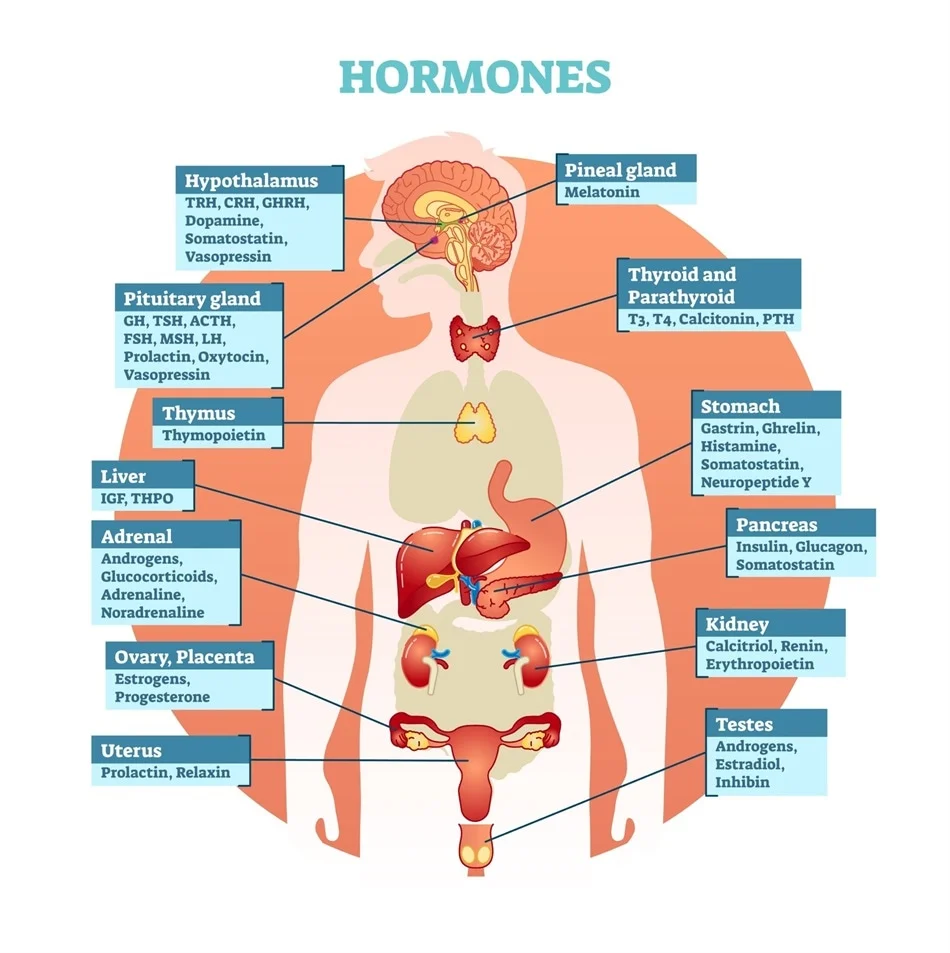
What are hormones?
Hormones are chemicals which circulate in the blood stream and spread around the body to carry messages or signals to different parts of the body.
Hormones are one of the body’s communication systems. They act as messengers to help control processes, such as:
- growth
- metabolism
- reproduction
- mood
Each hormone plays a specific role to ensure the body works smoothly. and even small imbalances can affect overall health and well-being.
What are hormone imbalances in women?
A hormone imbalance can occur when there is too little or too much of a certain hormone in your bloodstream. This disruption can affect your body’s entire balance and cause a wide range of symptoms. For women in particular, an imbalance of the hormones involved in reproduction can wreak havoc on your overall quality of life. This can lead to symptoms like:
- absent or irregular periods
- difficulty conceiving
- weight gain
- hot flushes
- mood changes
- acne
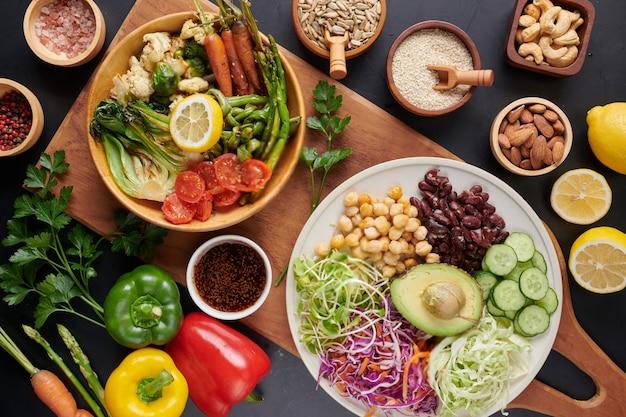
Which foods might help balance my hormones?
Your body needs protein, healthy fats, vitamins, and minerals to produce hormones. If the body doesn’t get enough of these, hormone production can be disrupted. Also eating balanced meals helps keep blood sugar stable.
Generally knowing which hormone-balancing foods to prioritise can be key to reducing symptoms of PMS, perimenopause, menopause, and all four types of PCOS.
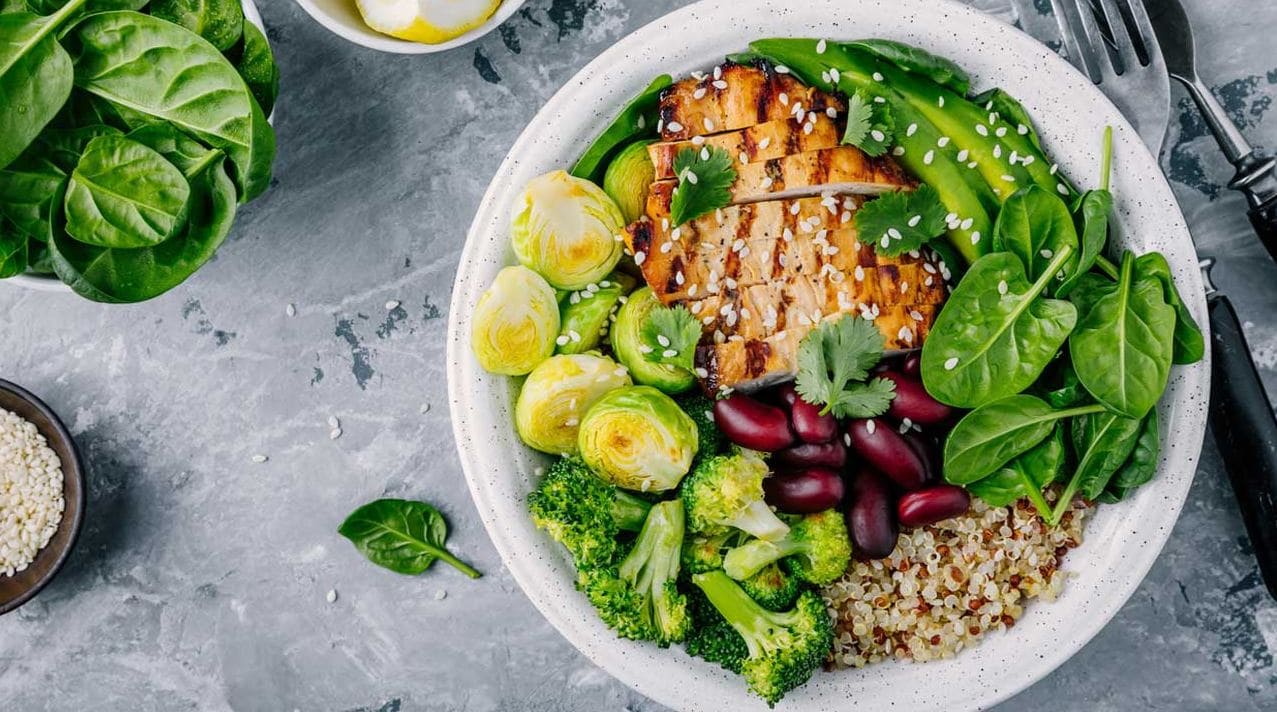
- Whole grain foods. Wholegrain foods are rich in dietary fibre, which has been reported to improve digestive health, help control weight gain and support a healthy gut microbiome
- Healthy fats. Healthy unsaturated fats are an essential part of building and maintaining a healthy hormone function. In addition to providing the building blocks for hormones, healthy fats also support the absorption of fat-soluble vitamins, which are crucial for hormone synthesis and balance.
- omega-3 fatty acids. Examples are oily fish, nuts, flaxseed, and algae. Several studies have shown that taking omega-3 fatty acids may be an effective treatment measure in reducing period pain. Furthermore, the anti-inflammatory properties of omega-3 fatty acids can make this healthy fat beneficial for many of the symptoms typically associated with menopause, including anxiety, mood swings, brain fog, and irregular period.
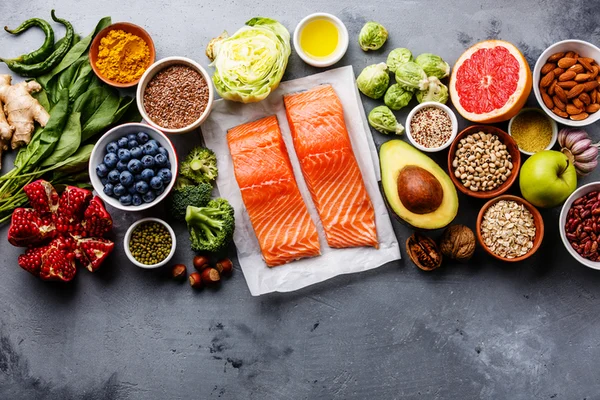
4. Cruciferous vegetables. Examples: broccoli, Brussels sprouts, cauliflower, and cabbage. Cruciferous vegetables like broccoli contain a natural compound called glucobrassicin.
Eating cruciferous vegetables is also thought to help your body break down oestrogen, making sure there is a healthy level of oestrogen in your body. The contrast of this can cause oestrogen dominance, which can lead to weight gain, irregular periods, severe PMS and low moods.
Healthy eating for hormone balance
Our hormones are involved in every function of the body. That’s why, when they fall out of sync, it can lead to many unpleasant symptoms, such as painful periods, hot flushes and mood swings. By pairing a nutritious diet with a healthy lifestyle, you can naturally balance your hormones and help alleviate the severity of your symptoms.
References:
Healthy foods: https://www.morelandobgyn.com/blog/womens-nutrition-what-is-considered-healthy-food
what are hormones: https://my.clevelandclinic.org/health/articles/22464-hormones
Hormone Imbalanace: https://nigms.nih.gov/biobeat/2024/07/what-is-a-hormone

Leave a Reply