


Ever wonder why your metabolism seems to slow down as you get older or after certain lifestyle changes? In this post, we’ll explore the science behind metabolic slowdown, what factors influence it, and simple ways to keep your body burning energy efficiently. Understanding these changes can help you make smarter choices for your health and energy levels.
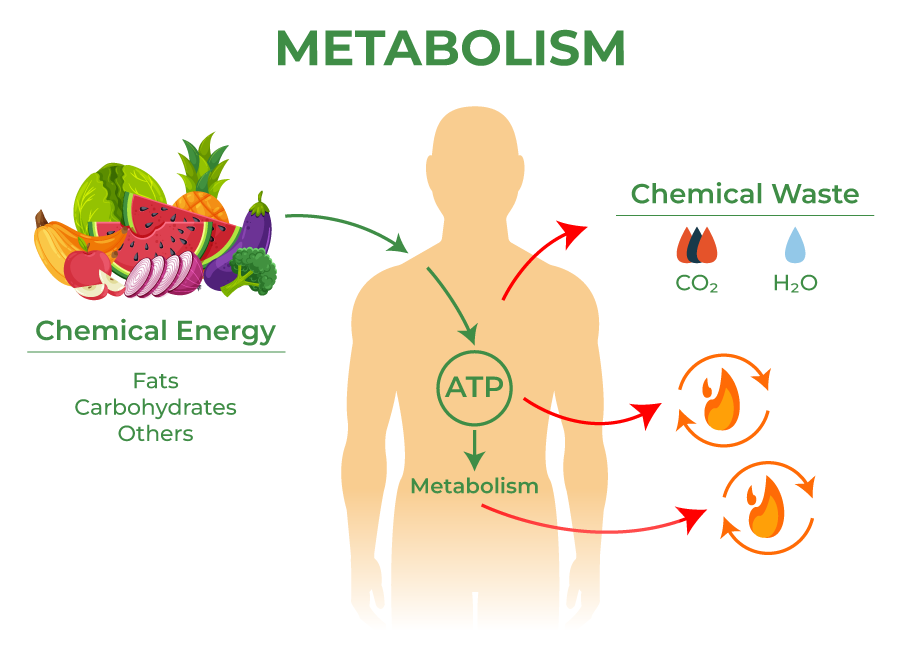
What is Metabolism?
Metabolism is the process by which your body converts the food and drinks you consume into energy, allowing you to live and function. It includes all the chemical reactions taking place in your cells every moment, helping you breathe, move, repair tissues, and more. Maintaining balance in these processes is called homeostasis, which keeps your body operating smoothly.
When people talk about metabolism, they usually think about how the body burns calories. This is referred to as your metabolic rate and involves:
- The energy your body uses for essential functions, such as breathing and keeping your heart beating (basal metabolic rate)
- The energy needed to digest and process the food you eat (thermic effect of food)
- The energy spent on physical activity
Many believe metabolism is something easily adjusted to control weight, but it’s much more intricate than that. Your metabolism is a highly complex system that affects your overall health, not just the number of calories you burn.
Metabolic processes
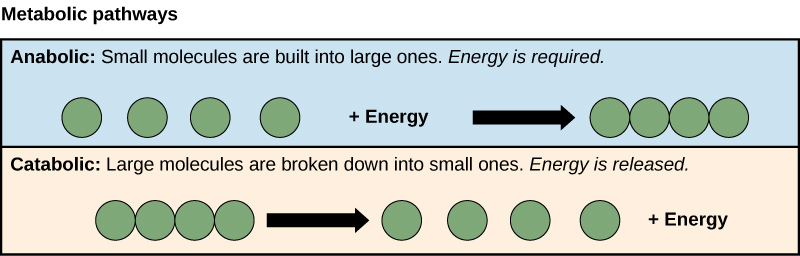
To understand metabolism better, it helps to break it into two main parts: catabolism and anabolism.
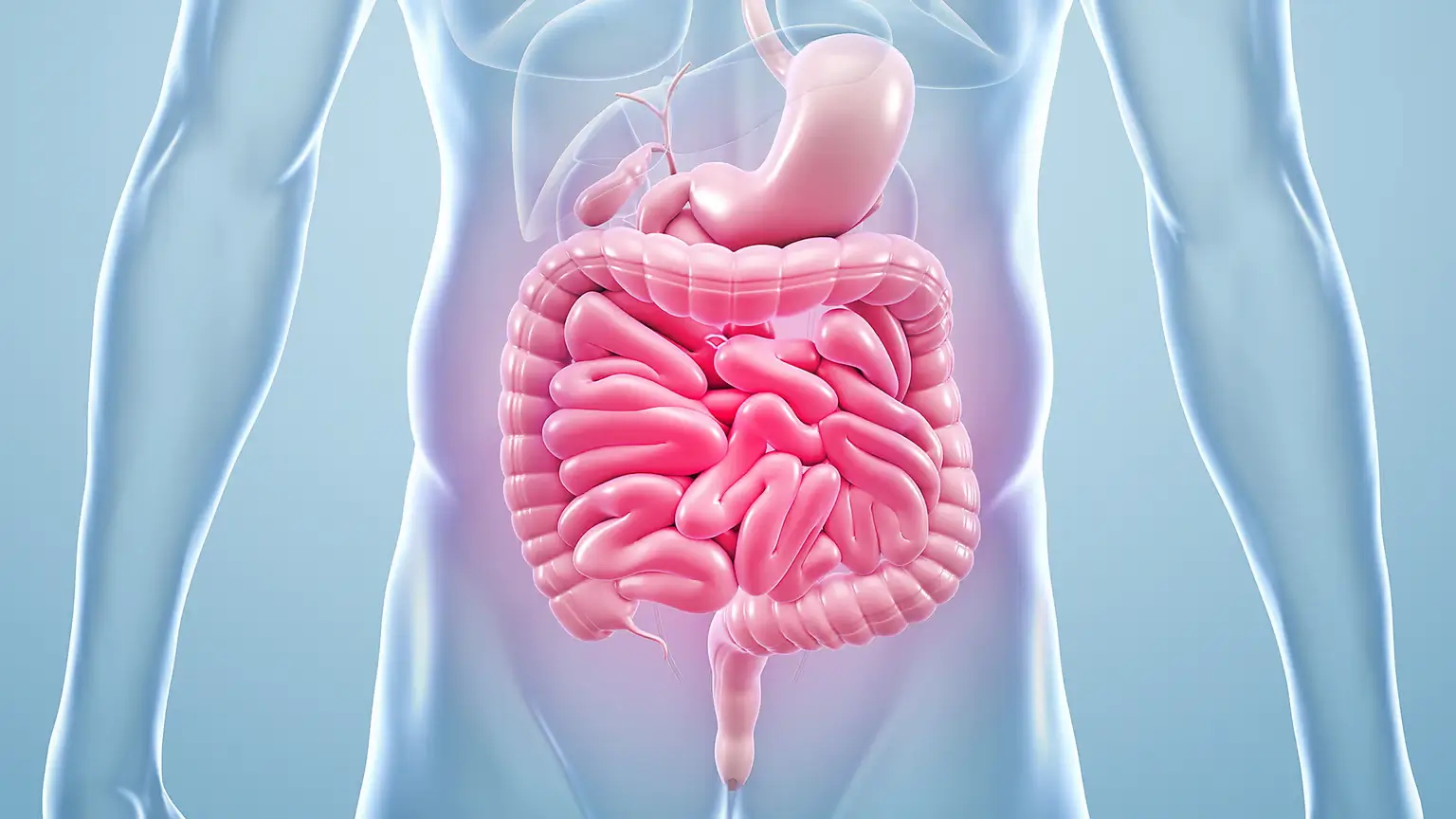
Catabolism is the process of breaking down the food you eat—carbs, proteins, and fats into simpler forms. For instance, carbohydrates are converted into glucose, which enters your bloodstream as sugar. Some glucose is also stored as glycogen in your muscles and liver. These nutrients provide the energy your cells need to function.
Anabolism works in the opposite way. It takes small building blocks, like amino acids, and combines them into larger structures, such as proteins. This process is vital for healing injuries, growing bones, and building muscle.
What’s the difference between a fast metabolism and a slow metabolism?
Someone with a fast metabolism or fast basal metabolic rate (BMR) burns a lot of calories even while at rest. If you have a slow metabolism or slow BMR, your body needs fewer calories to keep it going. Your metabolic rate alone doesn’t determine your body size, and vice versa.
What are metabolic disorders?
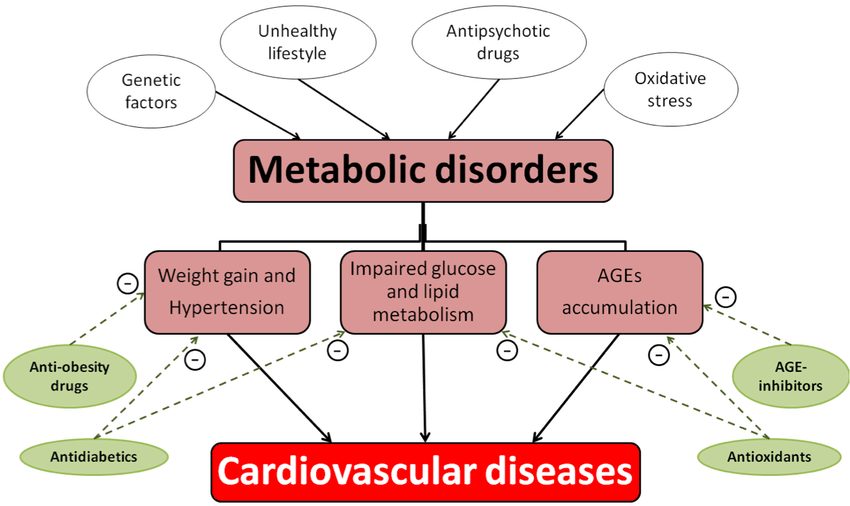
Metabolic disorders are conditions that occur when the body has trouble using or producing energy properly. Because metabolism involves many processes, these disorders can affect the body in different ways and cause a wide range of symptoms.
Problems with metabolism can be caused by things like poor nutrition, eating too little or too much, enzyme or hormone imbalances, or the effects of certain medications, substances, or toxins. For example, vitamin deficiencies can weaken bones, thyroid issues can slow down or speed up metabolism, and long-term unhealthy habits can disrupt how the body processes energy. Metabolic disorders generally fall into two categories: those you are born with (genetic) and those that develop later in life.
How to improve Metabolism?
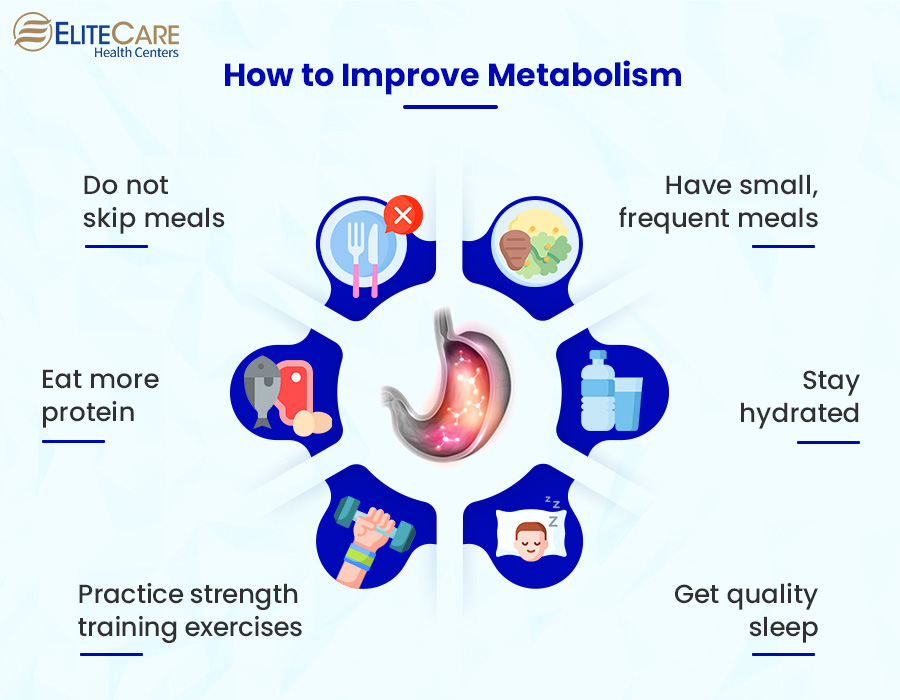
While you can’t fully control your metabolism, healthy habits can support it. Eating regular, balanced meals gives your body steady energy. Choosing nutrient-rich foods, staying physically active—especially with strength training—getting enough sleep, and drinking enough water all help your metabolism work more efficiently. Avoid extreme dieting or long periods of fasting, as they can actually slow it down.
References
- What is Metabolism https://www.betterhealth.vic.gov.au/health/conditionsandtreatments/metabolism
- Metabolic processes https://www.betterhealth.vic.gov.au/health/conditionsandtreatments/metabolism
- Metabolic disorders https://en.wikipedia.org/wiki/Metabolic_disorder
- https://www.medicalnewstoday.com/articles/metabolic-disorders#definition
- How to improve Metabolism https://www.elitecarehc.com/blog/6-proven-ways-to-rev-up-metabolism-after-50/


Leave a Reply