

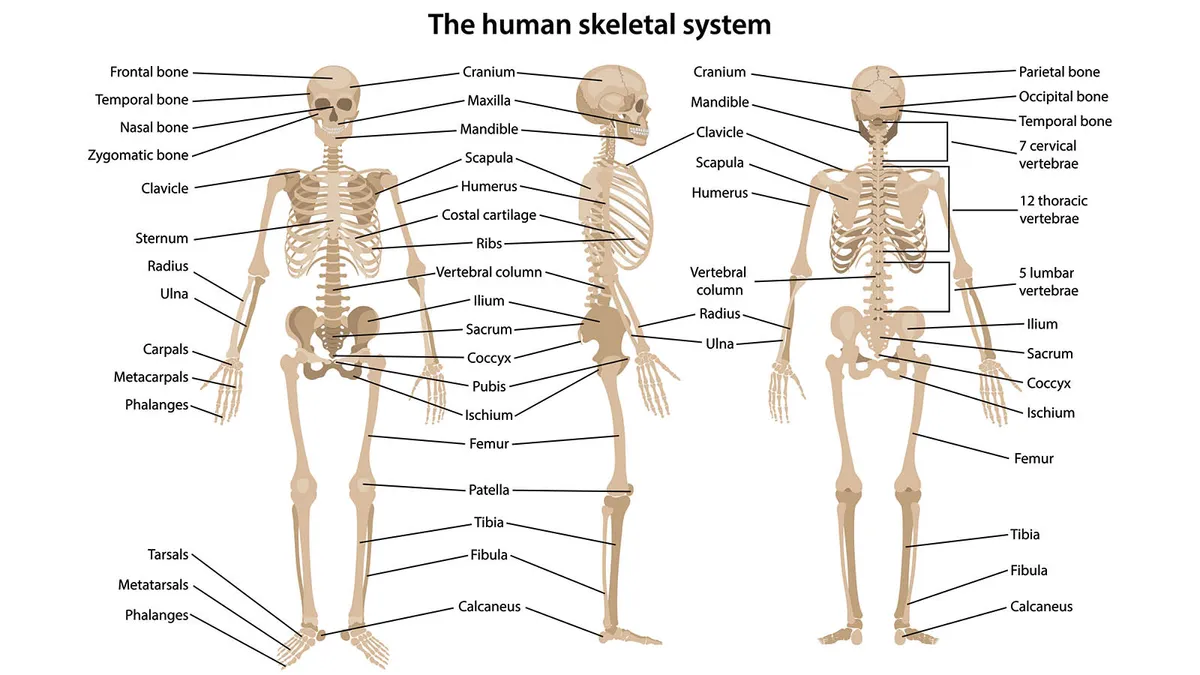
Bones are often seen as hard and lifeless, but in reality, they are living tissues. Inside our bones there are blood vessels, nerves, and special cells that work every day to keep them strong and healthy. Bones can grow and repair themselves. When a bone breaks, the body starts rebuilding it almost immediately. New bone tissue forms, showing that bones are active and alive. This makes bones a dynamic part of the human body, constantly changing and adapting throughout our lives.
The Skeleton
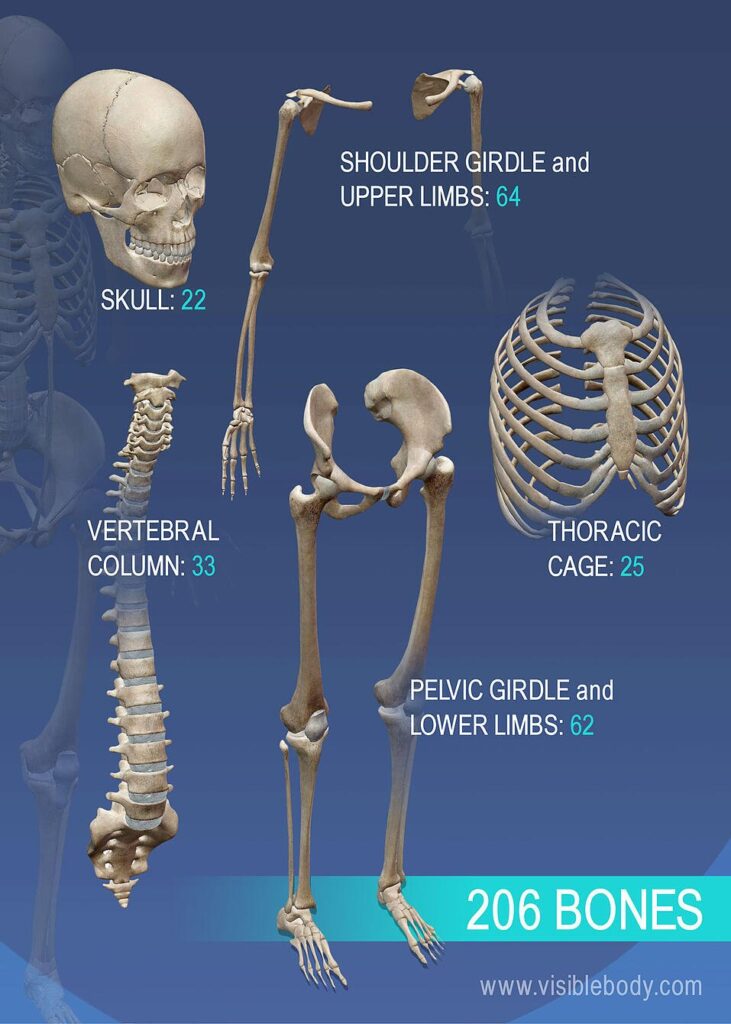
The human skeleton is made up of 206 bones. These bones form different parts of the body:
- Skull – includes the jaw
- Spine – neck, upper back, lower back, sacrum, and tailbone
- Chest – ribs and breastbone
- Arms – shoulder blade, collarbone, upper arm bone, and two lower arm bones
- Hands – wrist bones, palm bones, and finger bones
- Pelvis – hip bones
- Legs – thigh bone, kneecap, lower leg bones
- Feet – ankle bones, foot bones, and toe bones
Bones work with muscles and joints to hold our body together and support freedom of movement. This is called the musculoskeletal system. The skeleton supports and shapes the body and protects delicate internal organs such as the brain, heart and lungs.
Bone types
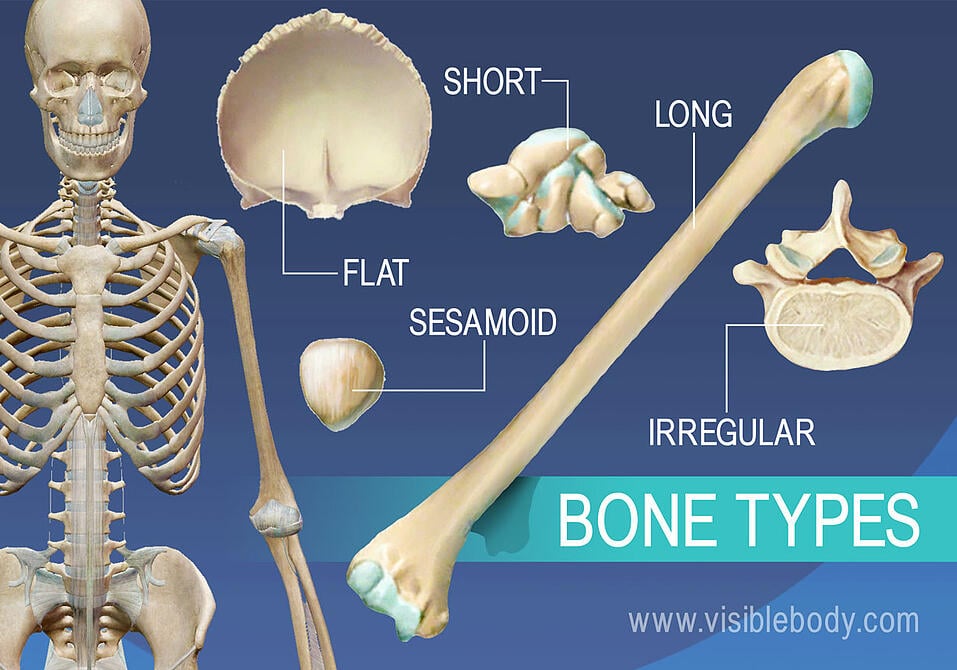
There are four main types of bones in the human body:
- Long bones – long and thin bones. They are found in the arms and legs (except the wrists, ankles, and kneecaps). Together with muscles, they help the body move.
- Short bones – small and cube-shaped bones. They are found in the wrists and ankles and help with stability and movement.
- Flat bones – wide and flat bones. Examples include the ribs, shoulder blades, breastbone, and skull. They protect important organs.
- Irregular bones – bones with unusual shapes that do not fit into the other groups. Examples include the vertebrae in the spine.
What does the skeletal system do?
- The skeletal system plays a key role in the human body. It supports the body and gives it shape. Bones also work with muscles and joints to help us move.
- The skeleton protects vital organs. The skull keeps the brain safe, the ribs protect the heart and lungs, and the spine protects the spinal cord.
- Bones also help keep the body healthy. Inside some bones, bone marrow makes new blood cells. In addition, bones store important minerals, such as calcium, which help keep them strong.
Your skeletal system shouldn’t need treatment unless you have a health condition or experience an injury. Your provider will suggest ways to treat what’s causing your symptoms and help your body heal
How can you keep your bones healthy?
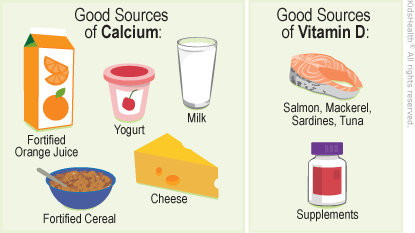
- Eat foods rich in calcium. Dairy products, fish, leafy greens, and soy products help build strong bones.
- Get enough vitamin D. Vitamin D helps your body use calcium. You can get it from sunlight, fish, and fortified foods.
- Stay physically active. Activities like walking, running, dancing, or playing sports help strengthen bones.
- Avoid harmful habits. Smoking and too much alcohol can weaken bones over time.
- Pay attention to your health. Some medicines and health conditions can affect bones, so it’s important to talk to a healthcare professional if you’re concerned.



Leave a Reply