


Macronutrients are a fundamental part of human health. Examining them from a broader perspective allows us to understand how dietary balance affects overall well-being and long-term outcomes.
What are macronutrients?
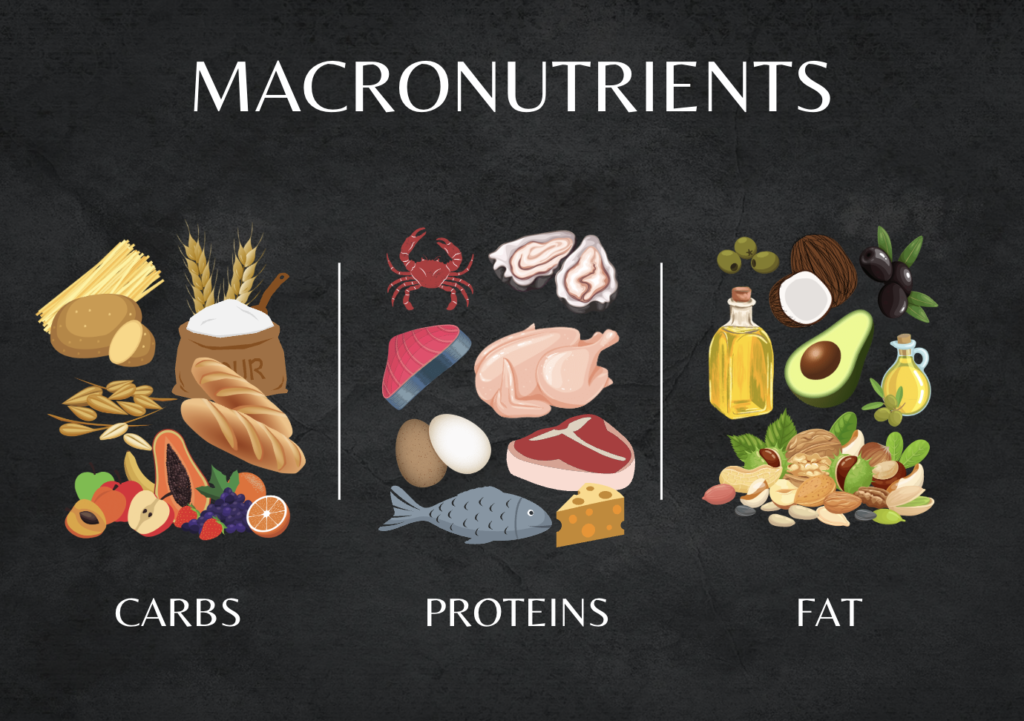
Macronutrients are nutrients that we need in relatively large amounts every day. Depending on their chemical structure and metabolic properties, there are three types of macronutrients: proteins, fats, and carbohydrates. All macronutrients support the body, but each has its own important functions.
Proteins repair cells and support various metabolic processes. Fats are essential for cell growth and organ protection, while carbohydrates are the body’s primary source of energy
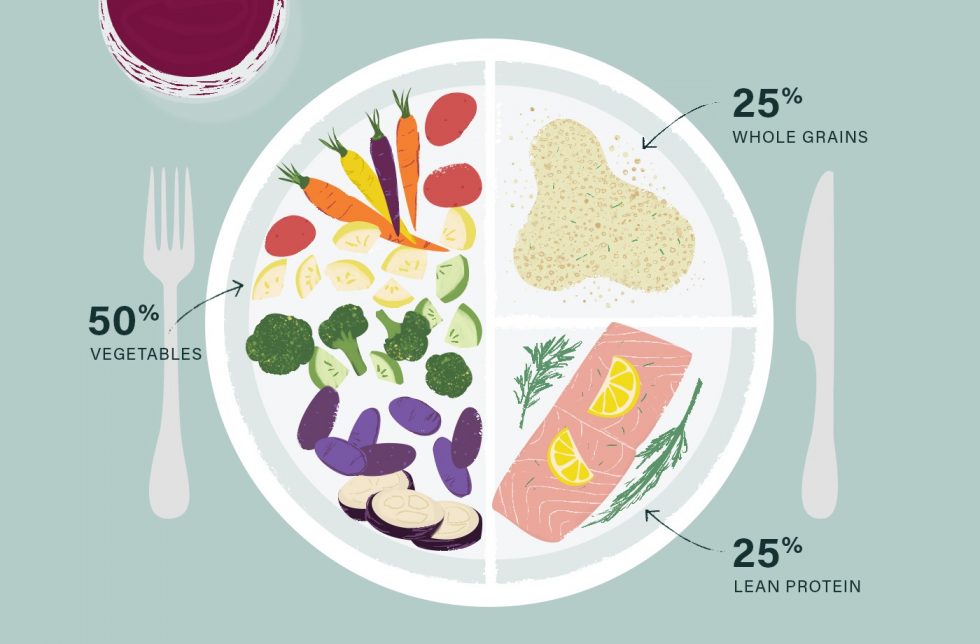
How Much Macronutrients Should Be in the Diet
There are no universal recommendations for how much protein, fat, or carbohydrates you need. The calculation depends on age, lifestyle, body characteristics, goals, and individual needs.
In general, international health organizations suggest that carbohydrates should form the basis of the daily diet, making up 45–65% of total calorie intake. Protein intake is recommended to range from 10% to 35%, and fats from 30% to 35% (with up to 10% from saturated fats).
Effects of Too Little or Too Much Macronutrients
Effects of Protein
Excess protein can disrupt metabolism, negatively affect the stomach’s secretory function, strain the kidneys and liver, and overstimulate the nervous system. On the other hand, a protein deficiency deprives the body of essential elements needed for proper metabolism and heat production.
Effects of Carbohydrates
Carbohydrates provide energy for the body, so a lack of them can slow mental and physical activity and reduce overall performance. On the other hand, consuming too many can lead to hormonal imbalances and digestive issues.
Effects of Fats
Eating too much fat over time can raise blood fat levels, affecting internal organs. The liver can be damaged, cholesterol may rise, and the pancreas works harder, which can lead to obesity and atherosclerosis. A lack of fat also harms the body. It can cause dry skin, weight loss, and slow physical and mental development.


Leave a Reply