

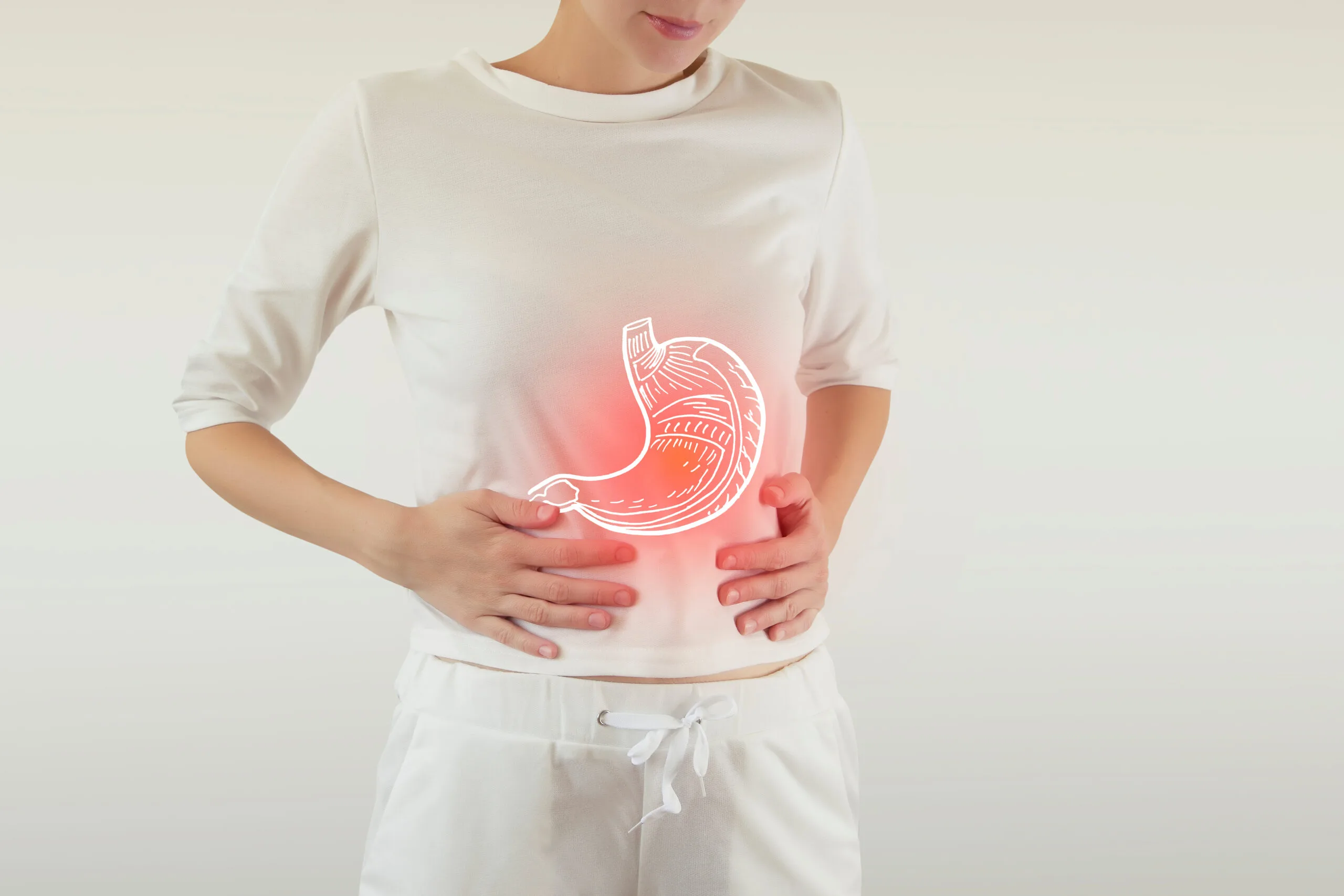
The stomach plays an important role in digestion by breaking down food and preparing it for nutrient absorption. Understanding the basics of how the stomach works can help us make better choices for our digestive health.
What is the stomach?
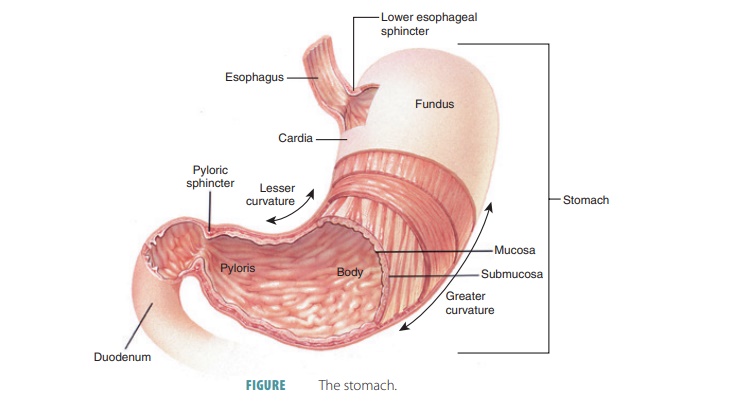
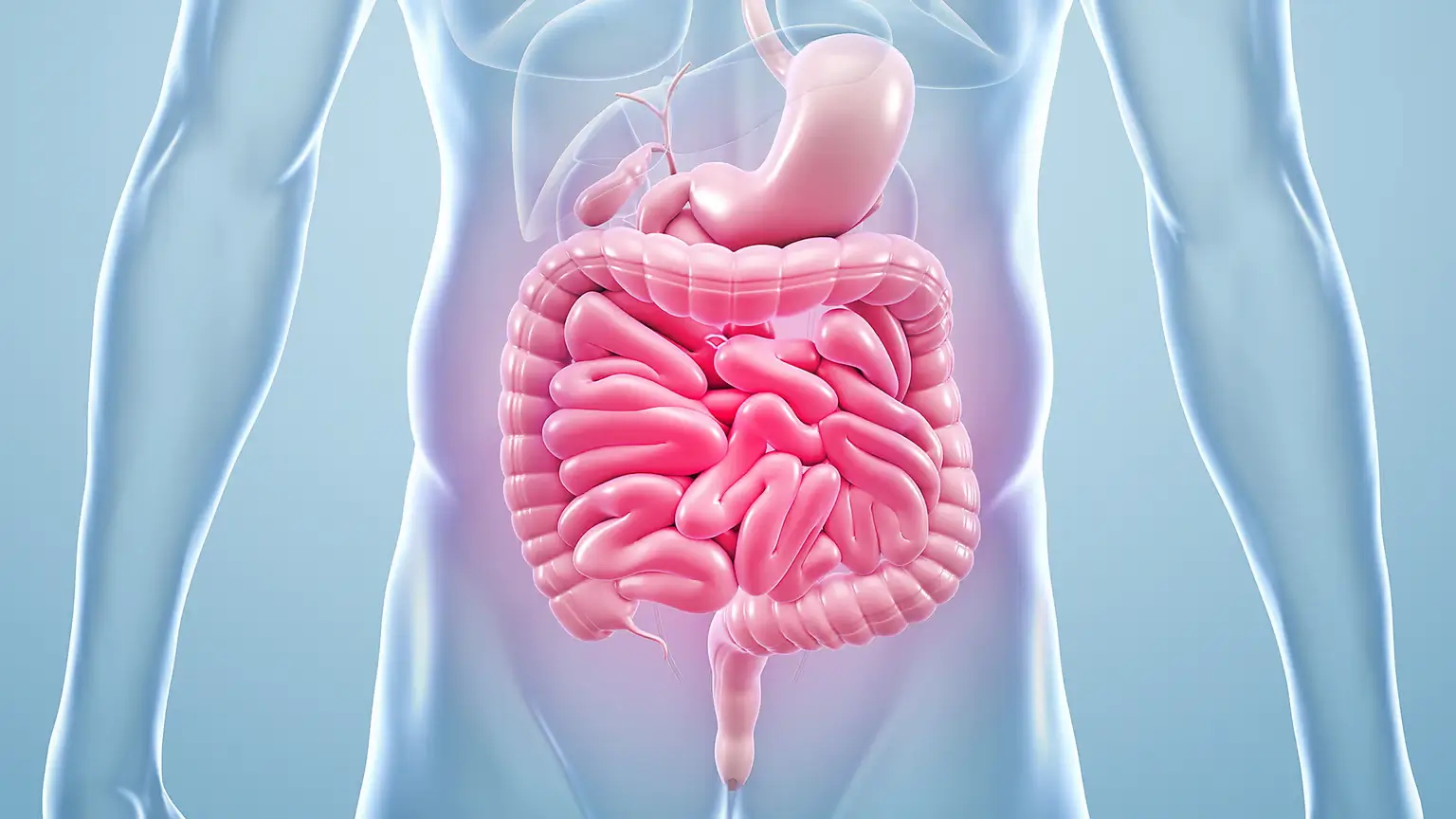
The stomach is a J-shaped organ that helps digest the food you eat. It produces special enzymes and digestive juices that work together to break food down, making it easier for your body to send it to the small intestine.
Your stomach’s main job is to digest food and move it along to the small intestine. It does this in three simple ways: it temporarily stores food, gently mixes and breaks it down by contracting and relaxing, and produces enzymes and special cells that help with digestion.
How is the stomach structured?
The stomach has five main parts, each with a specific role. The cardia connects the stomach to the esophagus and prevents food from moving backward. The fundus is the upper part that stores food and gas. The body is the largest section where food is mixed with digestive juices. The antrum helps grind food and prepares it for digestion. The pylorus is the lower part that controls the release of food into the small intestine.
What can go wrong with your stomach?
Your stomach can be affected by different conditions, some temporary and some long-lasting. Common ones include:
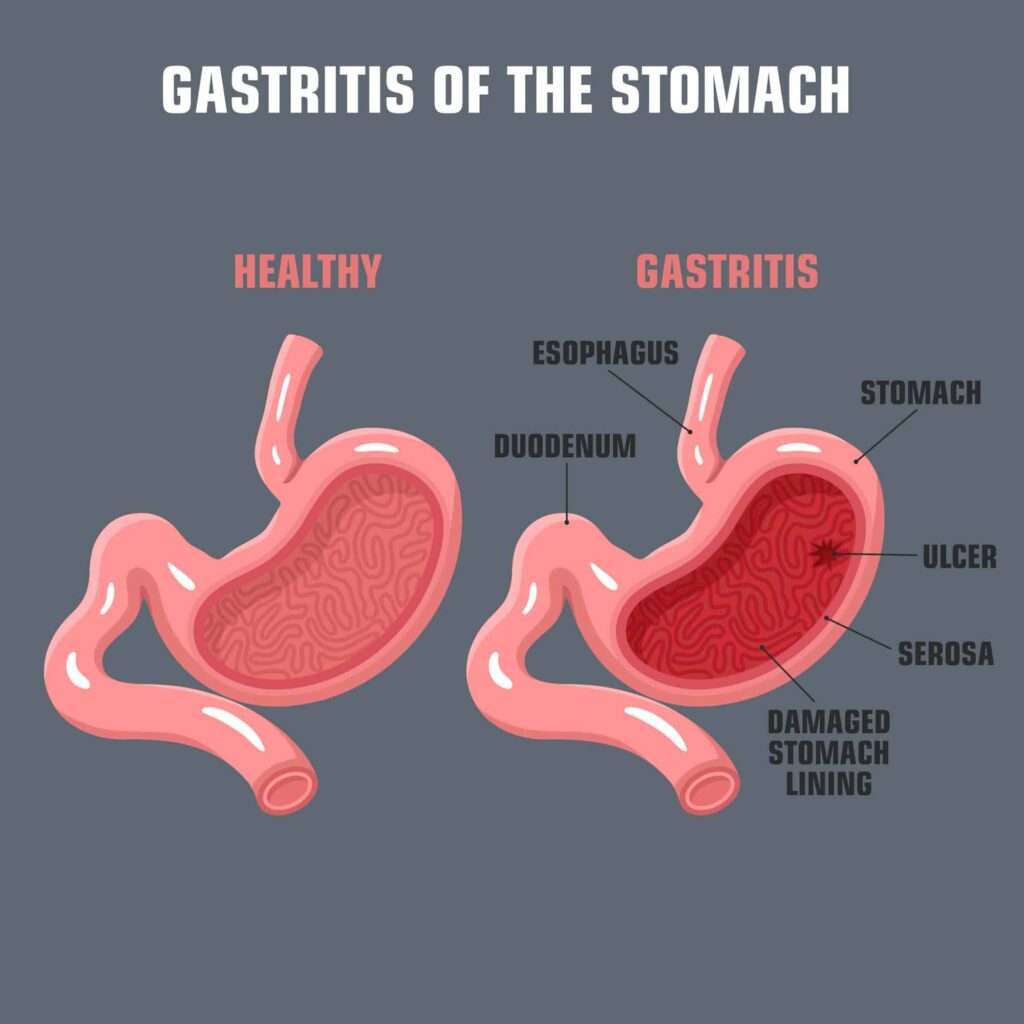
- Gastric ulcers: Sores in the stomach lining that can cause pain or bleeding.
- Gastritis: Inflammation of the stomach.
- GERD (acid reflux): When stomach acid moves up into the esophagus, causing heartburn or coughing.
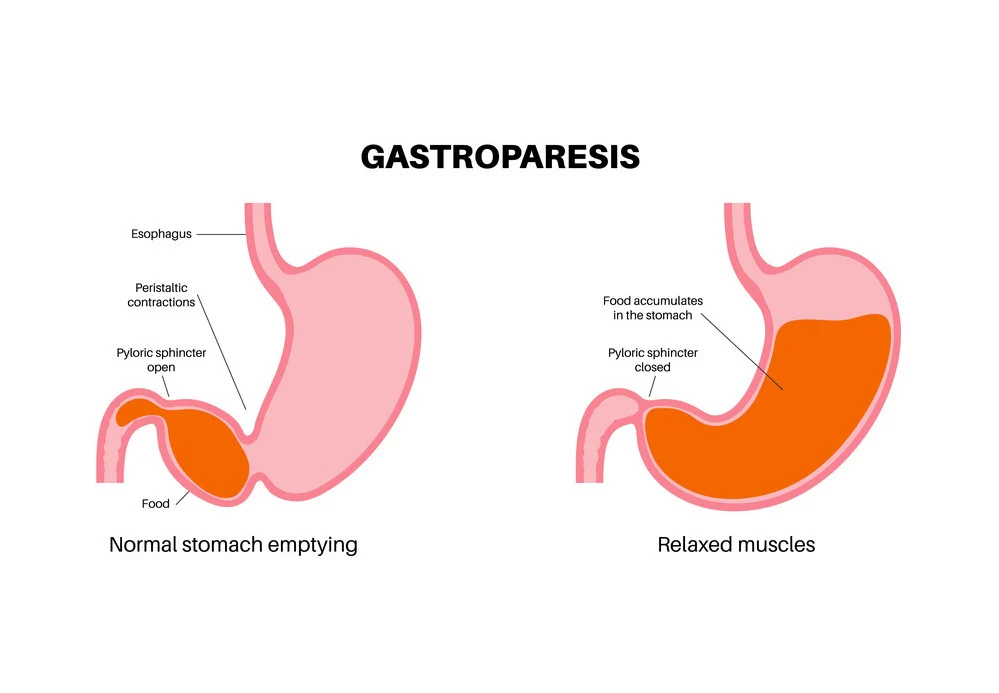
- Gastroparesis: Nerve damage that slows stomach muscle movement.
- Indigestion (dyspepsia): Discomfort, pain, or burning in the upper stomach.
- Peptic ulcer disease: Ulcers in the stomach or the first part of the small intestine.
- Stomach cancer: When cells in the stomach grow uncontrollably.
These conditions can make digestion uncomfortable, but understanding them helps you take care of your stomach.
How to Keep Your Stomach Healthy?
Keeping your stomach happy is mostly about healthy habits. You can:
- Drink alcohol in moderation.
- Stay hydrated—aim for about 50 ounces of water a day.
- Eat enough fiber, around 25–35 grams daily.
- Exercise regularly to keep digestion moving.
- Limit processed foods.
- Manage stress with activities like meditation.
- Avoid smoking and other tobacco products.
Small changes like these can make a big difference for your digestive health!
The stomach may be small, but it plays a big role in keeping your body fueled and healthy. By understanding how it works and taking care of it with good food, exercise, and stress management, you can help your digestive system stay strong and happy. Remember, a healthy stomach is the first step toward feeling your best every day.
References:
what is the stomach? https://cancer.ca/en/cancer-information/cancer-types/stomach/what-is-stomach-cancer/the-stomach
What can go wrong with your stomach? https://drvaidji.com/blogs/knowledge-base/gastroparesis?srsltid=AfmBOooGtd_3EJBctu_SQxcwq2xlXgS7-Pyswk9eY2M2Zxn_sUgXJrMT
how to keep your stomach healthy? https://www.nhs.uk/live-well/eat-well/digestive-health/five-lifestyle-tips-for-a-healthy-tummy/



Leave a Reply