
When it comes to digestion, most of us immediately think of the stomach or intestines. But one organ often goes unnoticed: the gallbladder. Small, unassuming, and rarely in the spotlight, it quietly exists as part of a system that affects nearly every meal we eat. In this article, we’ll shine a light on the gallbladder, exploring its significance, the challenges it can face, and why it deserves more attention than it usually receives.
What is the gallbladder?
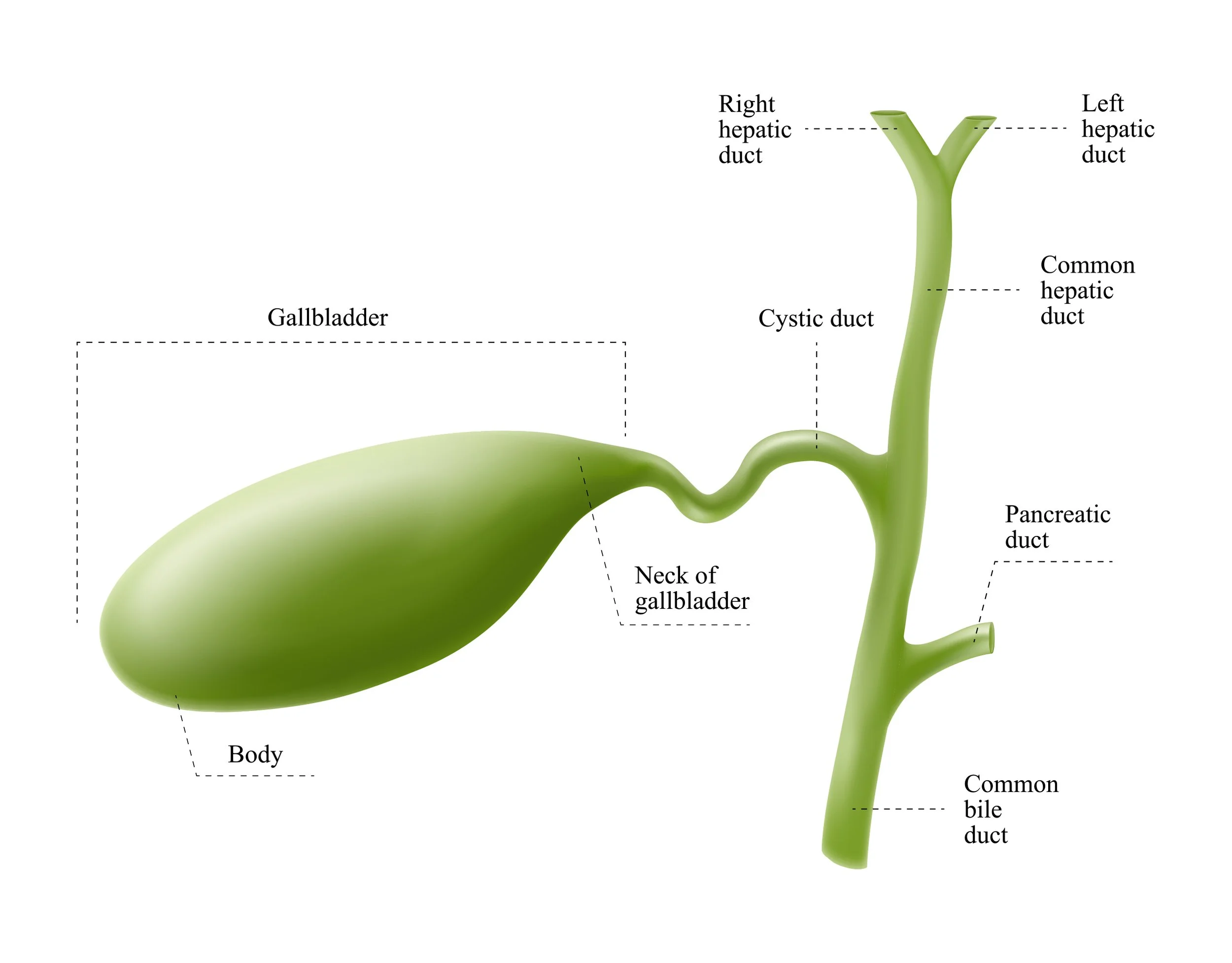
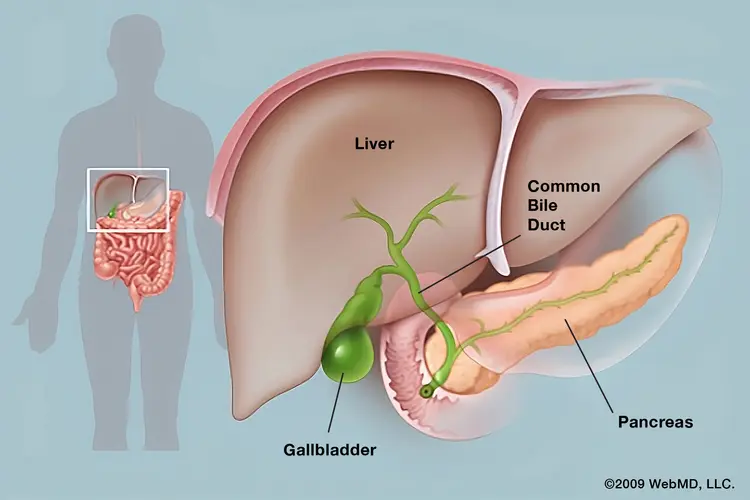
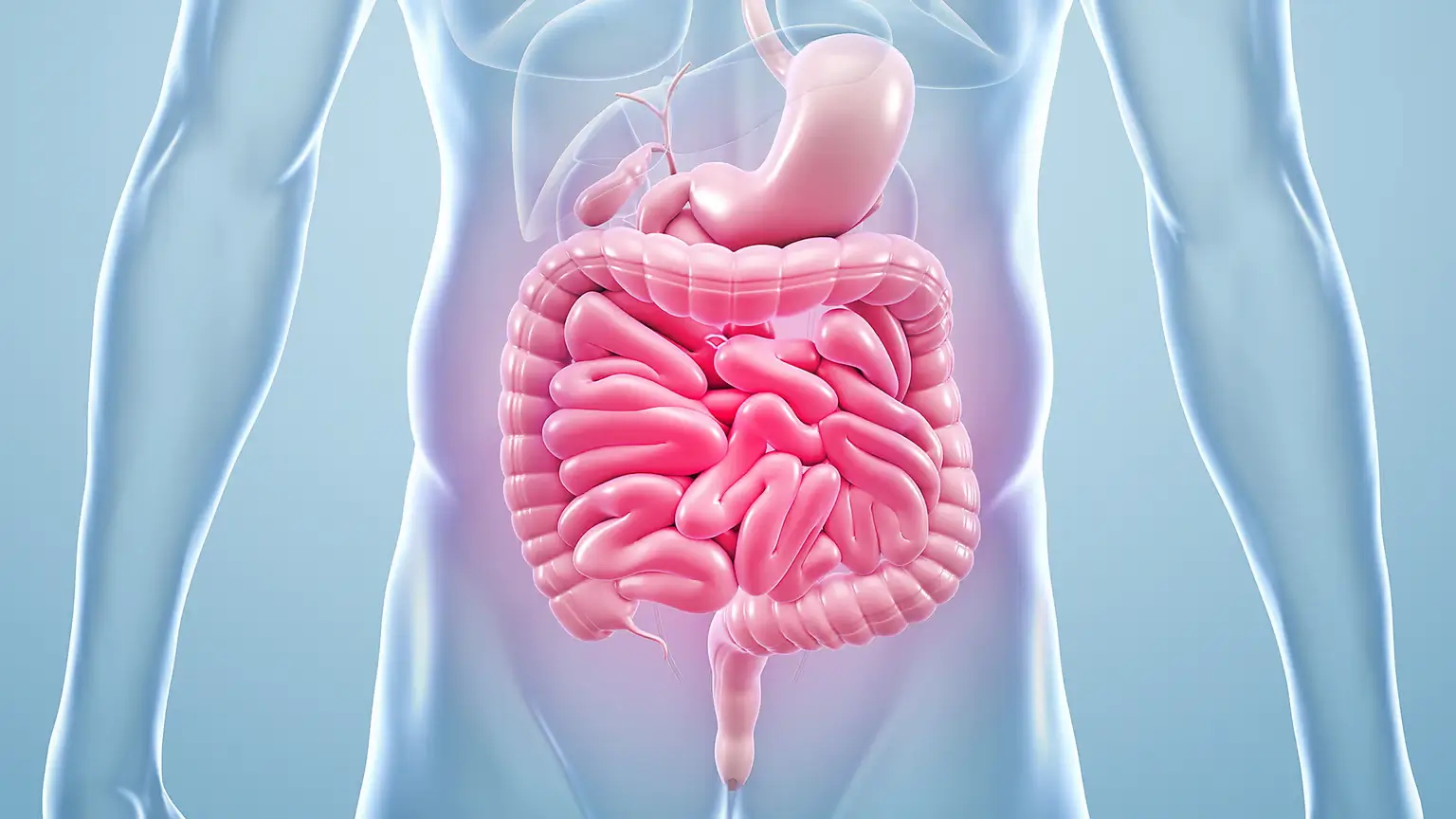
The gallbladder is a small, pear-shaped organ that stores and releases bile. Bile is the fluid your liver produces that helps digest fats in the food person eat.
The gallbladder is part of your digestive system. Its main function is to store bile. Bile helps digestive system break down fats. Bile is a mixture of mainly cholesterol, bilirubin and bile salts.
What does the gallbladder do?
Before a meal, the gallbladder is filled with bile, poised for action. As digestion begins, it contracts, releasing bile through the bile ducts into the small intestine, where it aids in breaking down fats. After the meal, the gallbladder empties, returning to a resting state until it is needed again.
Common conditions that can affect the gallbladder
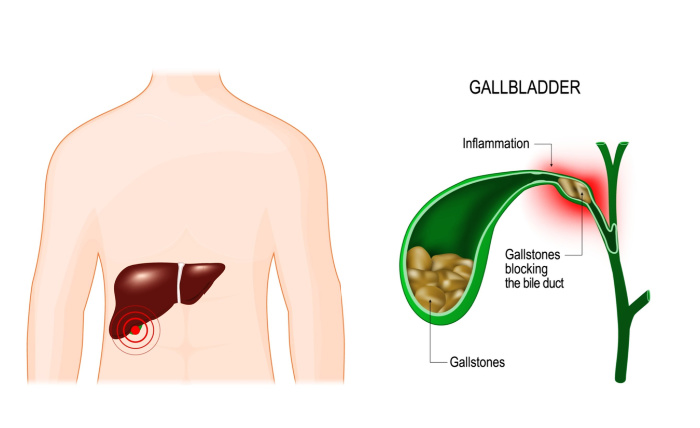
Several conditions can affect the gallbladder, with gallstones being the most common. Gallstones are small, stone-like formations that can cause pain, nausea, or inflammation.
Cholecystitis is inflammation of the gallbladder, often caused by a blocked bile flow, and usually requires surgery. Gallstone pancreatitis happens when a gallstone blocks the pancreatic duct, causing pancreas inflammation. Gallbladder cancer is rare, and while it can cause upper-right abdominal pain, most pain in this area is caused by other conditions.
Does being overweight increase the risk of gallstones?
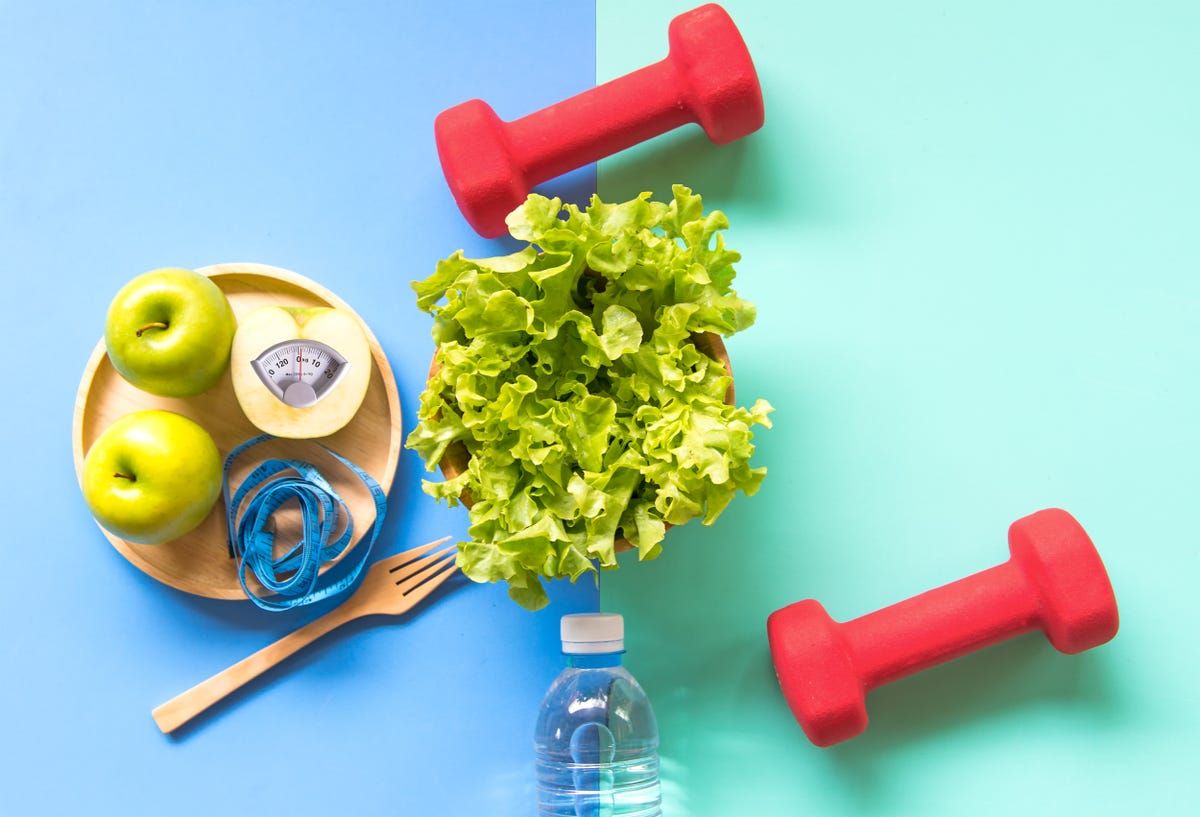
People who are overweight especially women are more likely to develop gallstones. Being overweight can increase cholesterol levels in bile, which may lead to the formation of gallstones. In addition, larger gallbladders sometimes don’t empty as efficiently, which can contribute to the problem. Rapid weight loss can also increase the risk, while gradual, steady weight loss may help reduce the chances of developing gallstones.
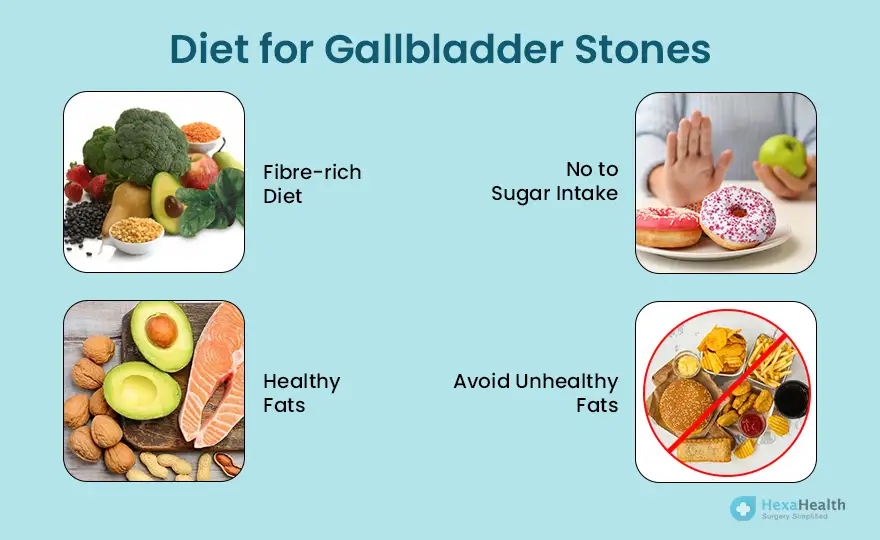
How to Eat to Protect the Gallbladder
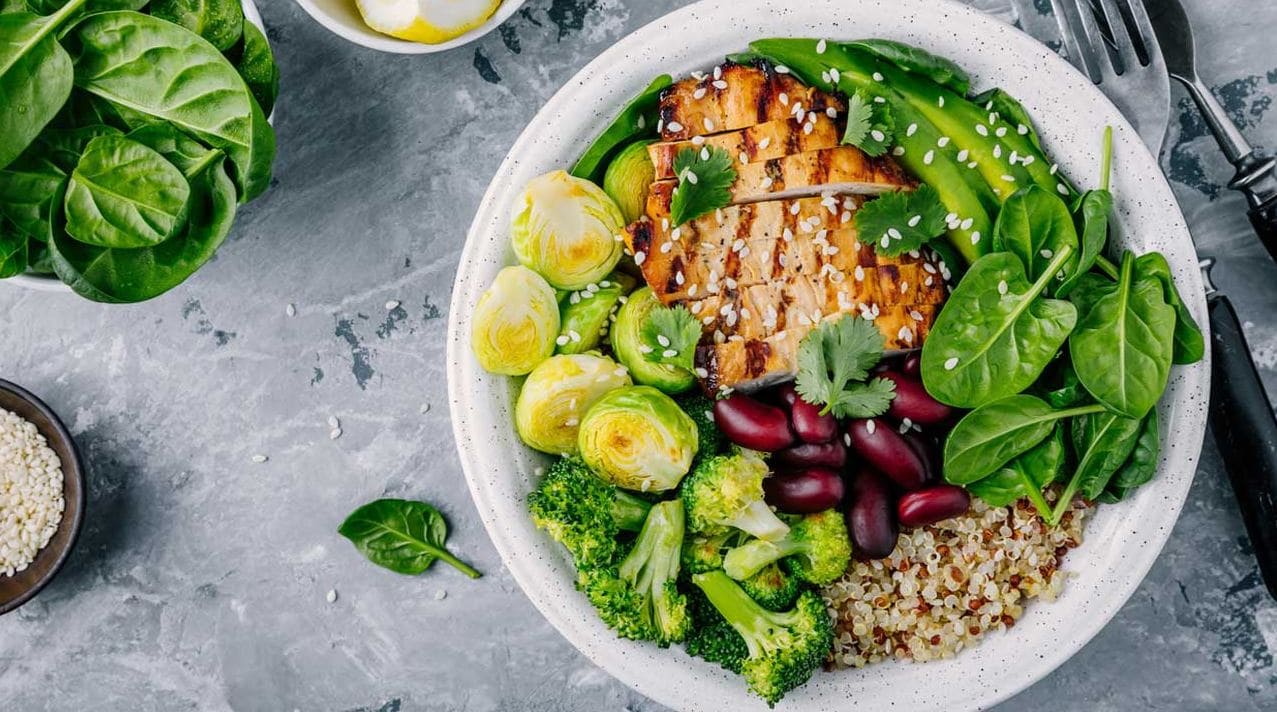
Eat More Fiber: Foods like fruits, vegetables, legumes, and whole grains help prevent cholesterol in bile from forming stones.
Cut Back on Sugar and Refined Carbs: Too much sugar and processed carbs can make the liver produce extra cholesterol, which may lead to gallstones.
Include Healthy Fats: Olive oil, fatty fish, and other healthy fats encourage the gallbladder to contract and empty properly.
Limit Unhealthy Fats: Fried foods, desserts, and other high-fat processed foods can increase cholesterol in bile, making gallstones more likely.
References:
What is the gallbladder? https://www.webmd.com/digestive-disorders/gallbladder-pain-causes
What does gallbladder do? https://www.rockwallsurgicalspecialists.com/blog/what-does-the-gallbladder-do-and-what-happens-when-it-malfunctions
Gallbladder conditions https://www.hopkinsmedicine.org/health/conditions-and-diseases/gallbladder-disease#:~:text=Chronic%20gallbladder%20disease%20involves%20gallstones,after%20meals%20and%20chronic%20diarrhea.
Reasons which increase the risks of gallstones and how to eat to protect the gallbladder https://www.niddk.nih.gov/health-information/digestive-diseases/gallstones/definition-facts
Leave a Reply