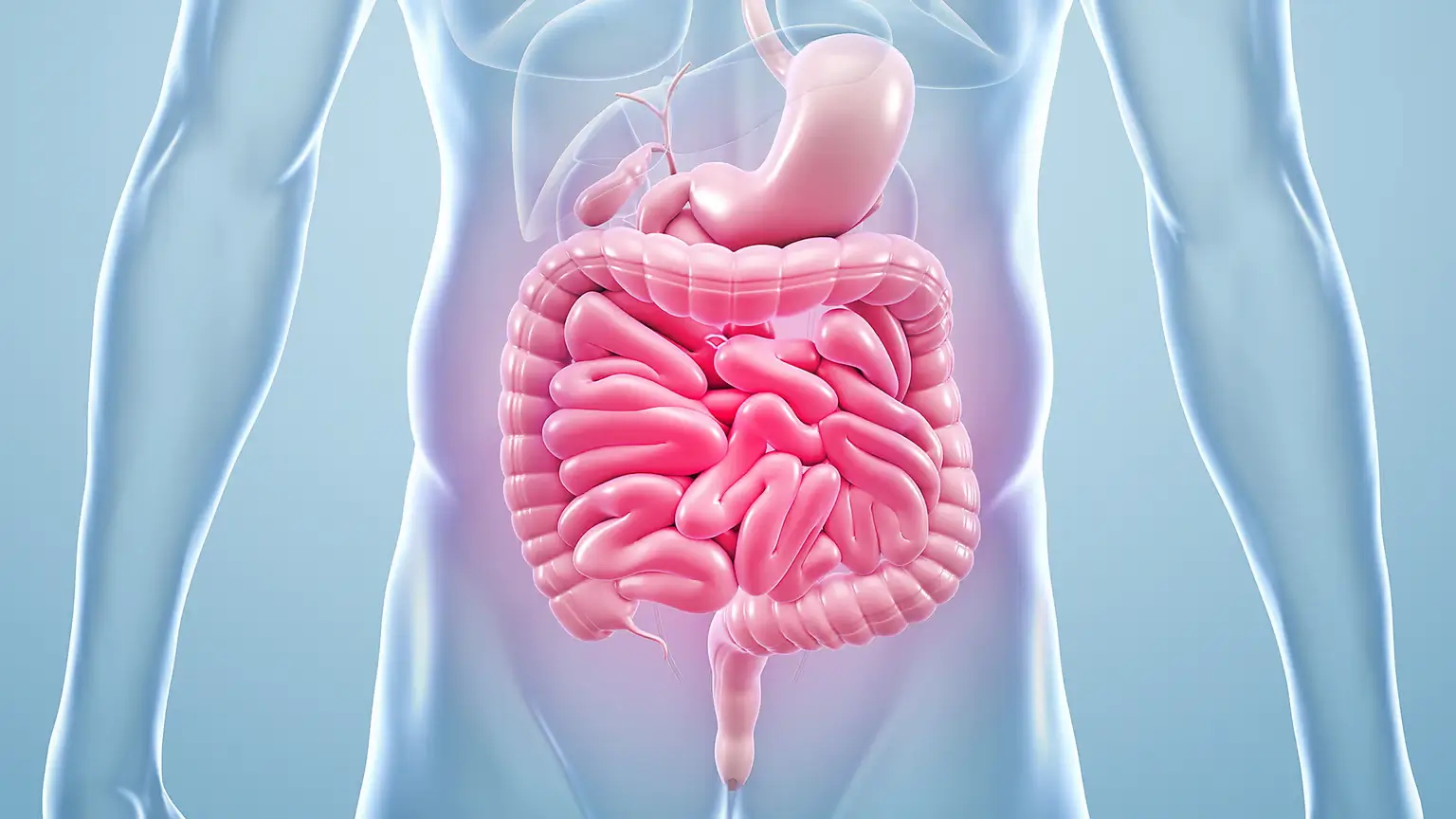

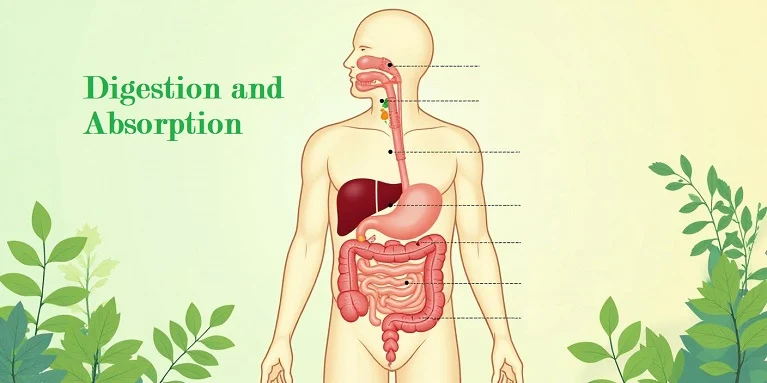
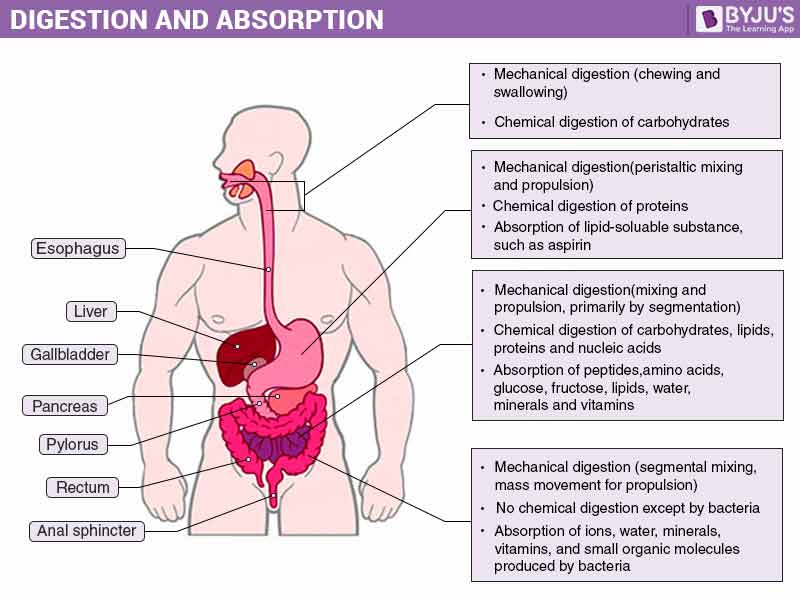
The body depends on food as its main source of fuel. Nutrients in food give body cells the energy they need to carry out daily functions. Before the body can use food, it breaks it down in two ways. First, the digestive system physically breaks food into smaller pieces. Then, it chemically changes the food so the body can absorb the nutrients. In humans, the body breaks fats into fatty acids and glycerol, proteins into amino acids, and starches into simple sugars. All of these steps make up the digestion and absorption process.
What does the digestive system do?
It breaks down and absorbs nutrients from the food and liquids you consume. Your digestive system also takes care of food waste — the stuff that’s left over after you digest food. Your digestive system turns food waste into poop.
Mechanical digestion
Mechanical digestion breaks food into smaller pieces without changing its chemical makeup. This process helps food move more easily through the digestive system and increases its surface area, allowing enzymes to work more effectively. Mechanical digestion mainly occurs when we chew our food. The tongue also plays an important role because it moves food around, breaks it into smaller pieces, and mixes it with saliva.
Chemical digestion
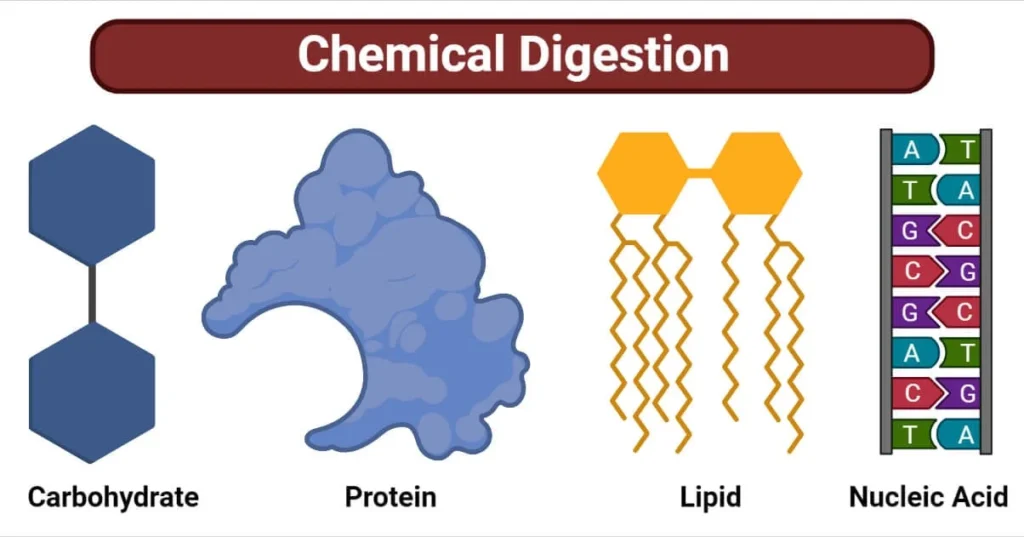
Chemical digestion breaks large food molecules into smaller ones so the body can absorb them and transport them to cells. The body breaks down different nutrients in specific ways. It changes carbohydrates into simple sugars, proteins into amino acids, lipids into fatty acids and glycerol, and nucleic acids into nitrogen bases and sugars. Chemical digestion starts in the mouth, continues in the stomach, and mostly happens in the duodenum, the first part of the small intestine, where digestion and absorption take place
Absorption Definition
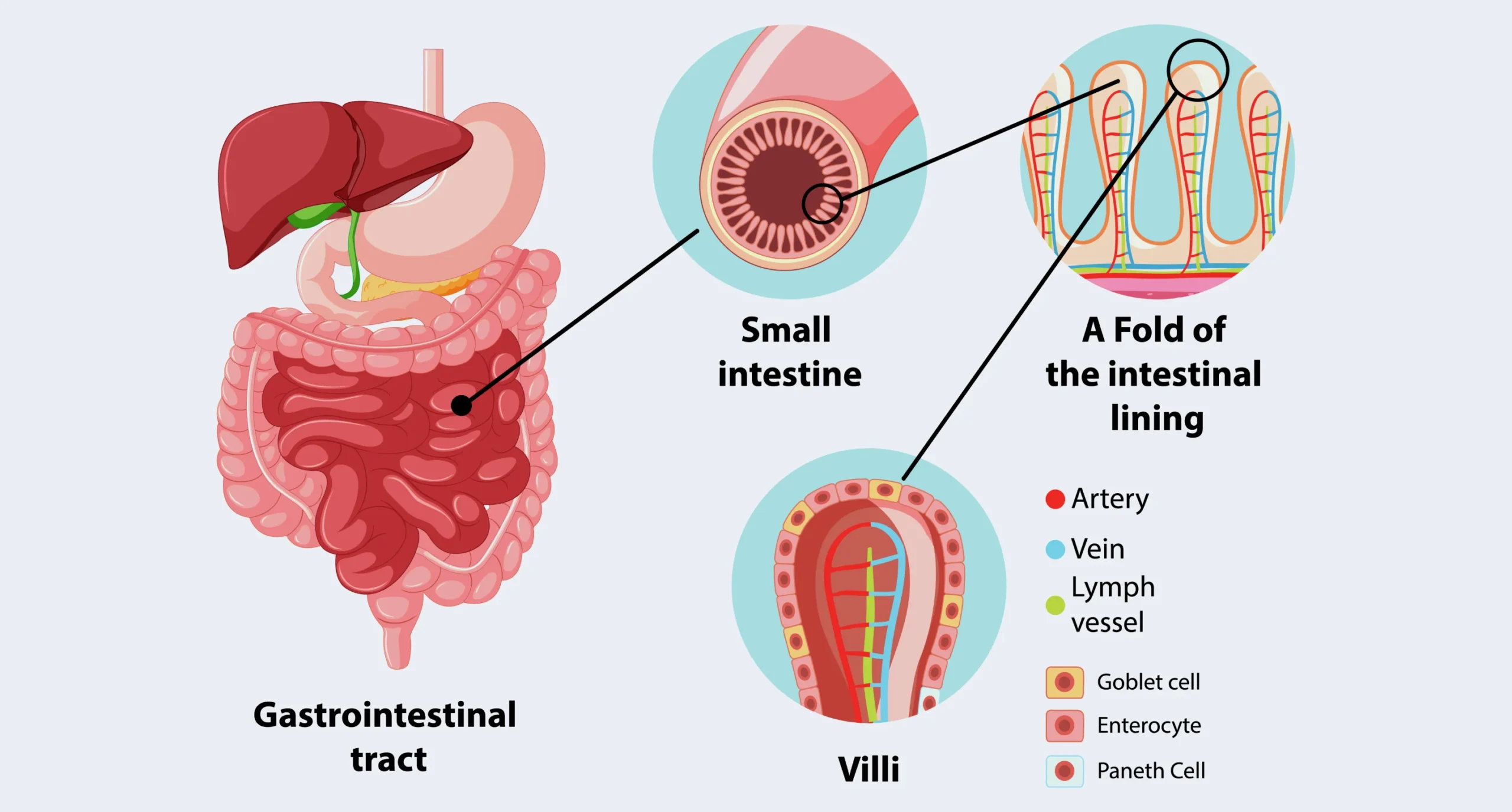
Water, vitamins, and minerals are small enough for the body to absorb without any processing. The body obtains other simple molecules—such as amino acids, glucose, glycerol, and fatty acids—through mechanical digestion of food and chemical digestion of nutrients. The small intestine absorbs most of these nutrients. Folds called villi line the inner wall of the small intestine, and the cells on the villi have tiny projections called microvilli. This structure increases the contact surface between the small intestine and its contents, which helps the body absorb nutrients more efficiently. Nutrients and simple molecules then pass through the intestinal wall into capillaries and lymphatic vessels.
How can I keep my digestive system healthy?
- Drink enough water: Water helps the food you eat flow more easily through your digestive system. How much water you need depends on factors like your activity level, metabolism and size.
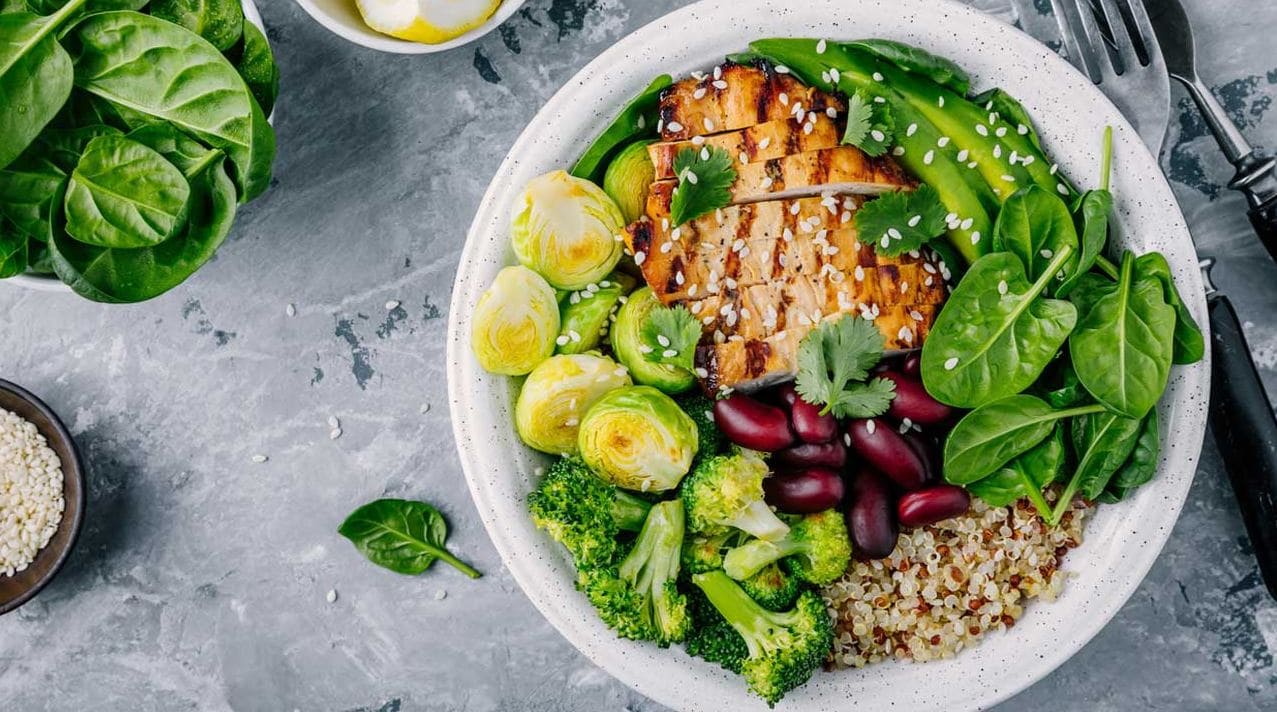
- Get your fill of fiber: Fiber helps digestion. Adding fiber to balanced meals of lean protein, fruits and vegetables can keep your digestive system working as it should.
- Add probiotics: Probiotics are good bacteria that fight off the bad bacteria in your digestive system.
- Eat mindfully: Mindful eating focuses on how and why you’re eating. Practicing mindful eating helps you to slow down and chew your food thoroughly.
- Avoid alcohol and smoking: Alcohol can increase the amount of acid in your stomach and can cause heartburn, acid reflux and stomach ulcers. Smoking almost doubles your risk of having acid reflux.
In summary, the digestive system efficiently carries out digestion and absorption to provide the body with the nutrients it needs.
References:
- https://openstax.org/books/anatomy-and-physiology-2e/pages/23-7-chemical-digestion-and-absorption-a-closer-look
- https://www.alloprof.qc.ca/en/students/vl/sciences/digestive-processes-s1256?utm_source=chatgpt.com
- https://biology-igcse.weebly.com/absorption-ndash-function-of-the-small-intestine-and-significance-of-villi.html